Stained Glass Windows
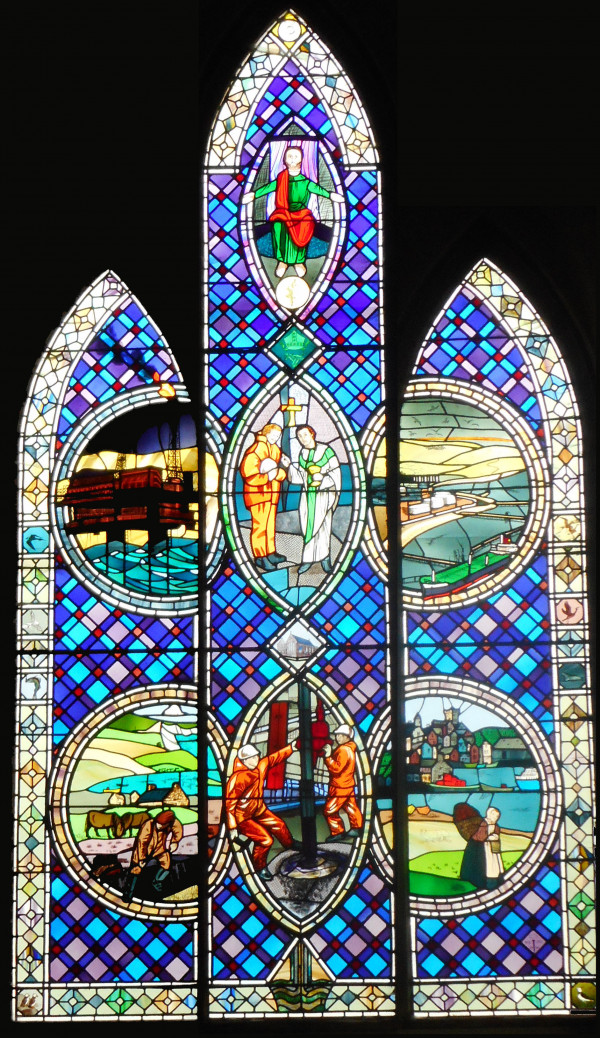
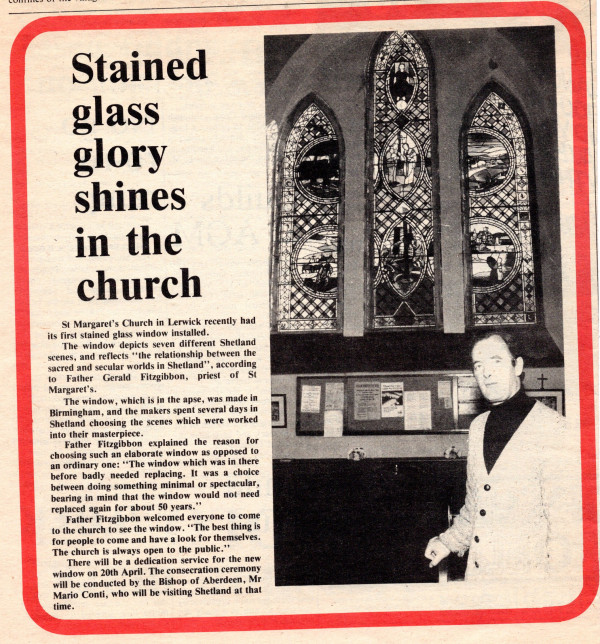
The "Sullom Voe Window" at the East end of our church was designed and made by Clive Sinclair of Norgrove Studios, Redditch. This image has been compressed to bring the three lights together. The dedication service for the new window was held on 20th April 1986, conducted by Bishop Mario Conti, the Shetland Times carried a report of the installation in its issue of Friday 11th April 1986.
Clive Sinclair described his design as follows:
Shetland before the oil on the lower left, peat cutting, crofters house and Shetland ponies with a typical landscape behind with both calm and stormy waters.
Opposite is Shetland after oil, with a woman carrying a kishie of peats with sheep and Lerwick in the background.
The oil platform at upper left is seen in the hostile environment of the North Sea, whilst opposite an oil tanker loads in the more sheltered waters of Sullom Voe.
These four scenes are connected in the centre light by the two lozenges, the lower showing workers at the drill head, perhaps the most popular image of oilmen. But central to all this a man takes time to tend his spiritual needs, and the whole window is crowned with God embracing all the scenes.
There are two diamonds linking the lozenges, one showing the Sullom Voe crest, oil rig, tanker and Viking ship, the other St. Margaret's Church, whilst at the very base the North Sea oil emblem upon which the whole structure balances.
The background blue represents the surrounding sea and sky, its geometric form symbolising man's controlled harmony with it.
The light border around the window shows in contrast a variety of Shetland patterns with various seabirds, fish and seal, all prominent features of island life. The basis of the design follows the medieval idea, linking the ages, the oil platform to the Cathedral, and tradesmen, very much an early feature in stained glass, with man's relationship to God.
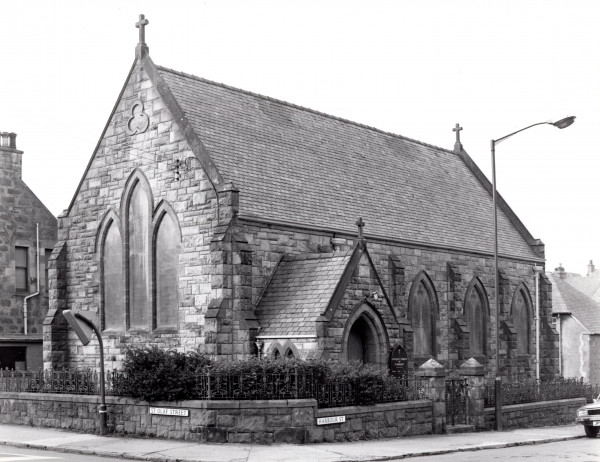
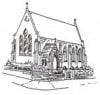
The photograph shows St Margaret's Church around 1982, just before work began on installation of the Sullom Voe Window. Chapel House to the left of the picture.
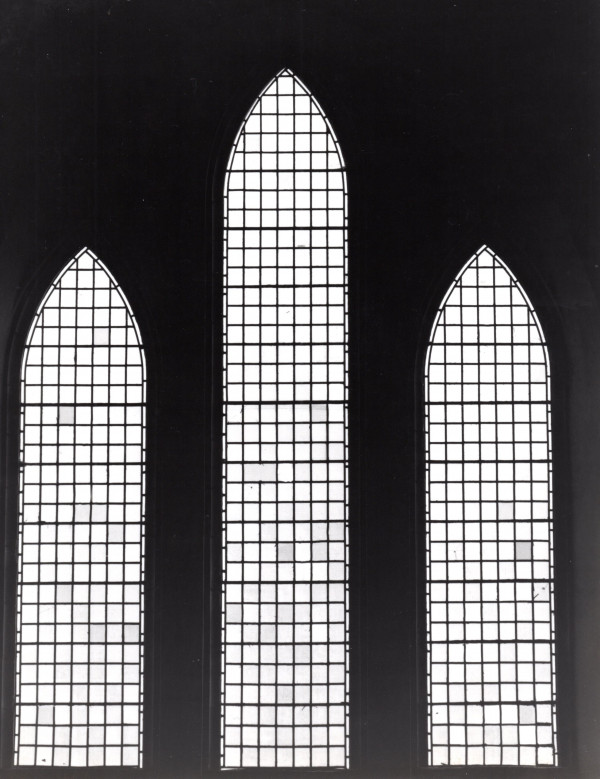
The original glass was very plain, and laid out in a square formation. The architect had included metal hoppers in the windows to aid ventilation but this weakened the windows and they were in a bad way by the 1980s. The estimate for replacement of the window came to about £12,000 and there was no consensus in the parish at the time that this expenditure was justified. Correspondence in our parish archive shows that there was considerable opposition to the design, but Fr Gerald FitzGibbon persevered and eventually the money came in. The bulk came from grants, particularly from the Shetland Amenity Trust, but with contributions also from the Columba Trust and the Sullom Voe Terminal. Eventually the design was modified to take out some of the overt references to the companies involved at Sullom Voe and to lower the costs.
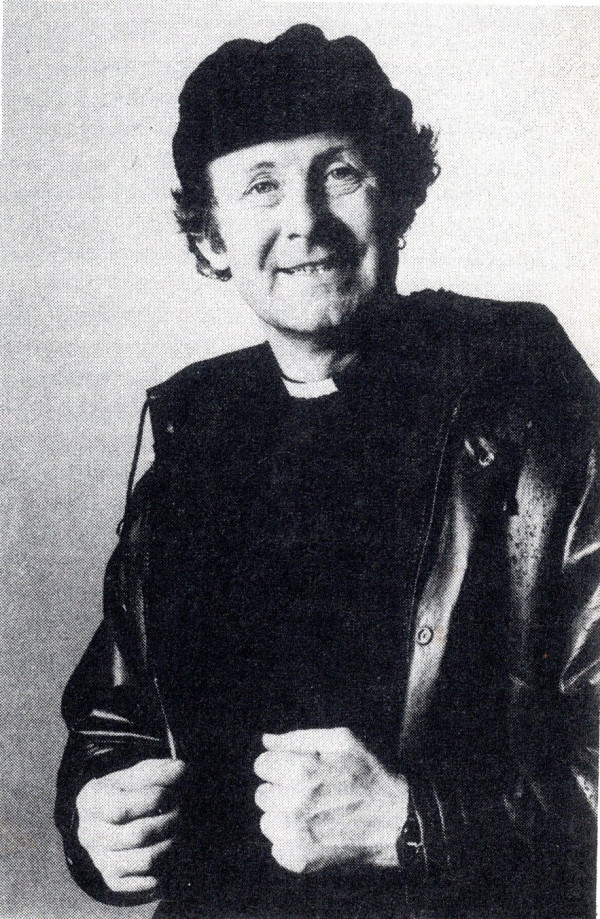
The figure of the priest in the central scene was modelled on Fr Rory Geoghegan, SJ, the Catholic chaplain to the migrant oil workers during the 1980's oil boom. He was based at Toft near the Sullom Voe terminal and at the peak of the construction period of Sullom Voe ministered to 1,000 Catholic workers. Fr FitzGibbon wanted this window to be a memorial to the migrant workers who had always been the core of the Shetland parish. He proposed that it should carry an inscription, such as: TO THE MEMORY OF THE UNKNOWN MIGRANT WORKERS WHO IN THEIR HUNDREDS FROM OVERSEAS BUILT THIS CHAPEL DURING THE HERRING BOOM AND DURING THE OIL BOOM RESTORED IT.
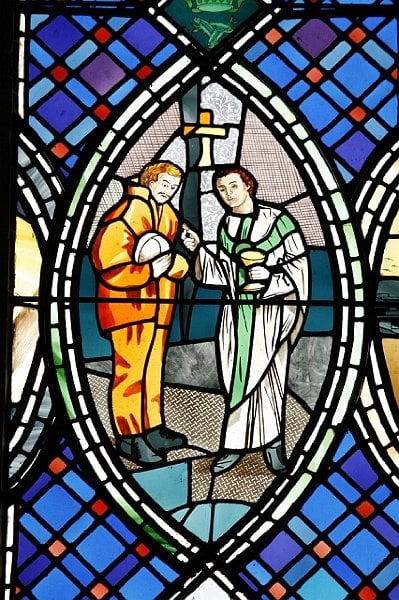
The Sullom Voe window is made of French, hand made glass, painted, stained and acided, leaded into approximately twelve panels. The surface area is ninety two square feet.
Repairing the Church Windows
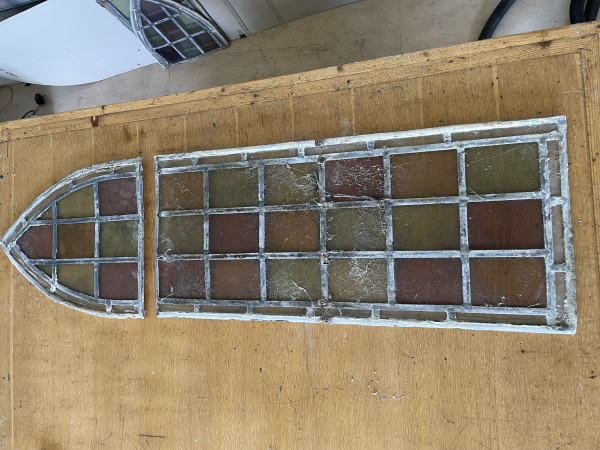
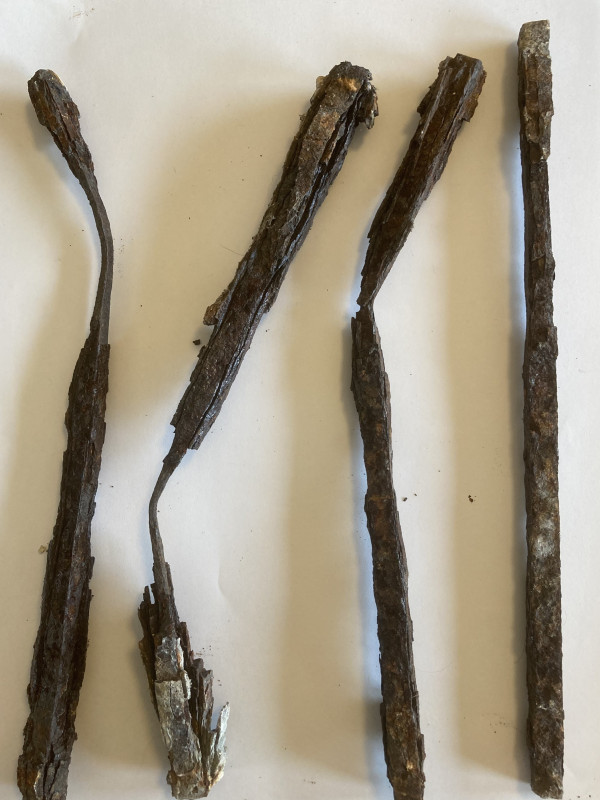
Fr FitzGibbon had planned to repair the remaining glass in the church but funds were not available and by 1989 he had been transferred to a new apostolate in England. We embarked on a new appeal to relead the original windows which survived in the sacristy, sanctuary and porch. This work was undertaken in 2024 by Patrick Ross Smith, a Shetland based stained-glass craftsman.
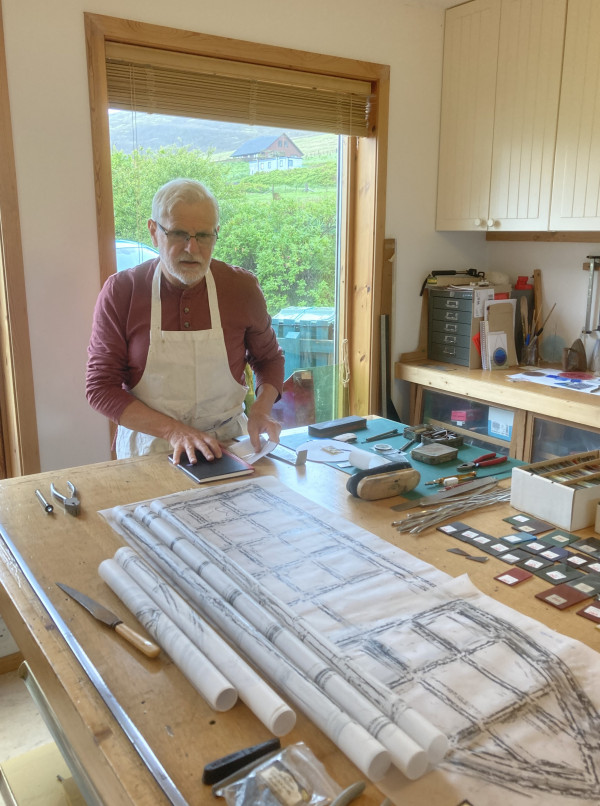
These photos give an indication of the scale of the challenge:
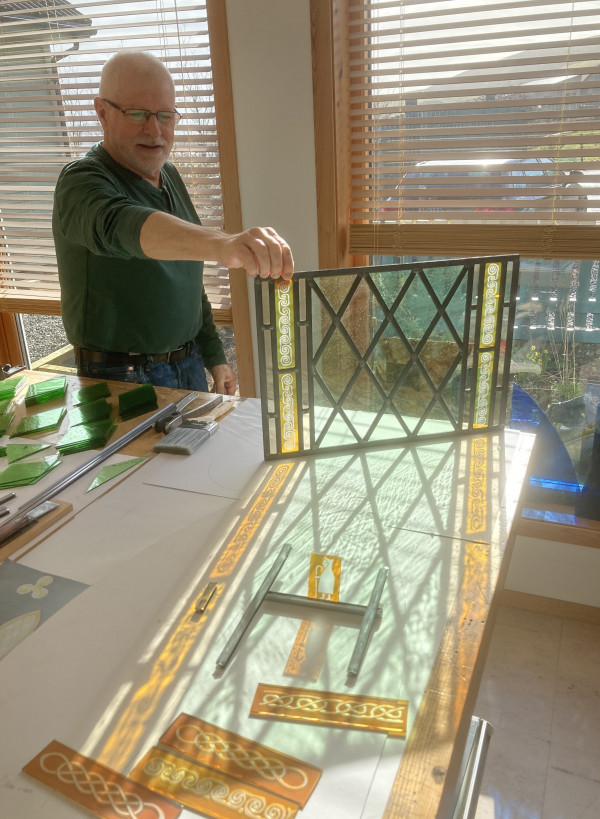
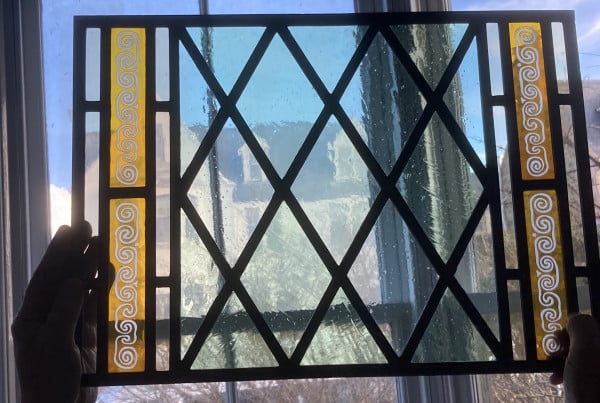
A sample panel of the new windows for the nave, March 2026.
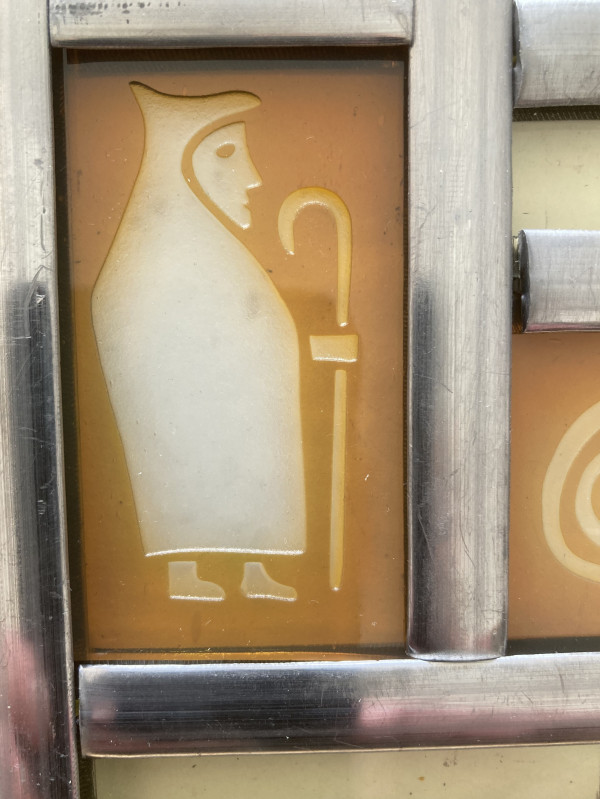
Window detail, Papil monk.
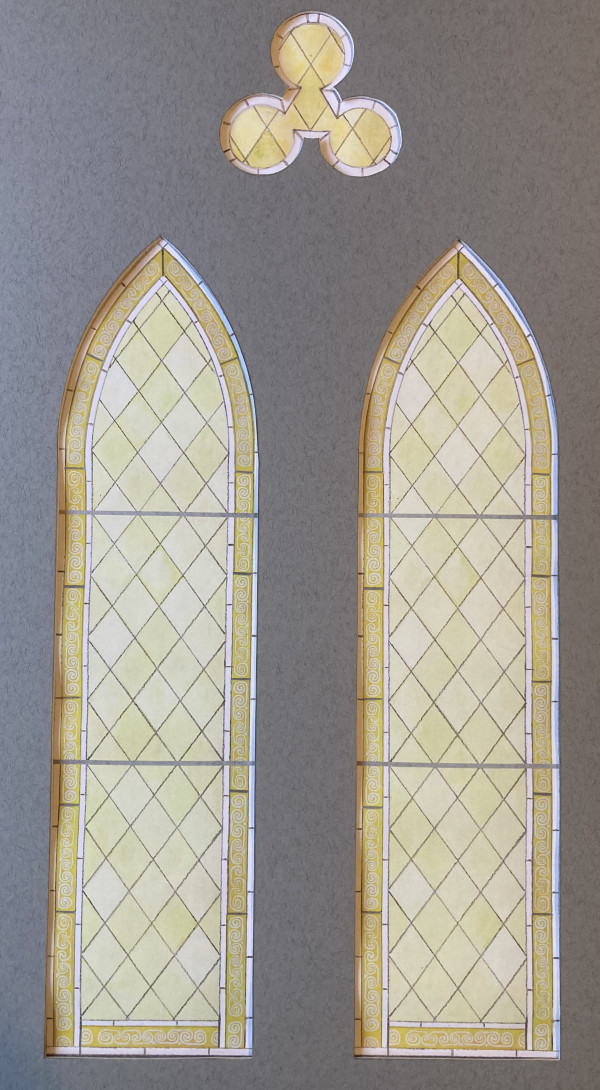
This first phase of the work is now complete and we have now begun the project of completely replacing the side windows in the nave with new hand-made glass. The first two windows should be installed by August 2026.